
Dermatologie La Colline is a medical and aesthetic centre located in the heart of Geneva that is dedicated to skin health. With our specialized medical team and modern facilities, we develop a treatment plan tailored to your individual needs.


Useful Info
How do I make an appointment?
New patients with a medical problem will only be seen after receiving and evaluating a letter from their doctor
dermacolline@amge.ch, stating your name and telephone number
+41 22 702 22 72 or +41 22 702 22 82
Documents to bring
Health insurance card
Letter(s) from the doctor(s) referring you (where applicable)
List of your medications
List of your allergies
Telephone hours
| Monday, Tuesday, Thurdsay, Friday: | 9:00am | – | 11:00am |
| Wednesday: | 1:00pm | – | 3:00pm |
Cancelling an appointment
Cancelling your appointment allows us to schedule appointments for emergencies or a patient on the waiting list.
Any appointments not cancelled at least 24 hours in advance will be charged.
Medical dermatology
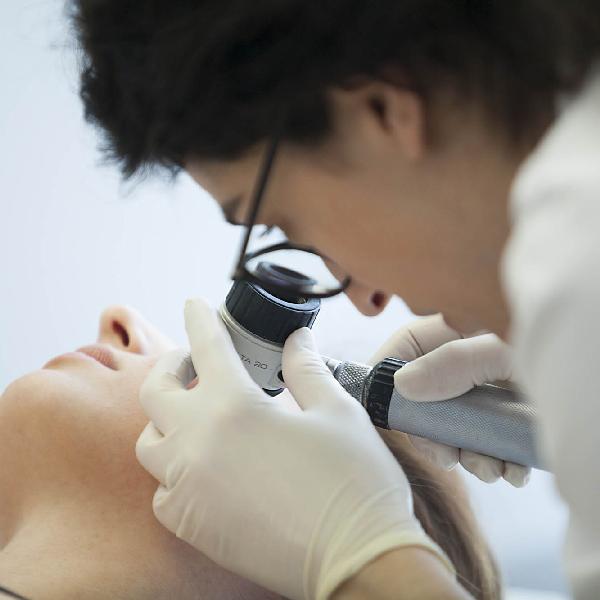
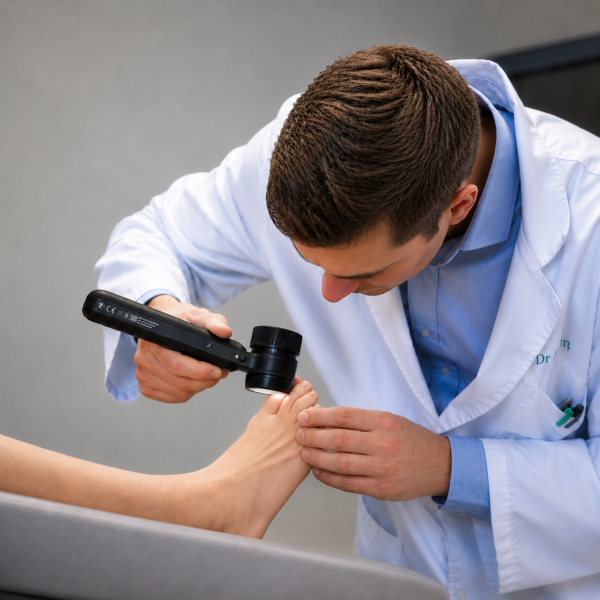
We specialise in the prevention, diagnosis and treatment of skin diseases, the human body’s largest, most interesting and most complex organ. This includes the treatment of hair, nails and mucous membranes. We can also detect internal diseases that are sometimes visible on the skin.
Our daily activities include:
- Dermatological check-ups
- Screening, treatment and follow-up of skin cancers
- Mole mapping
- General dermatology
- Paediatric dermatology
- Sexually transmitted infections and venereal diseases
- Localised excessive sweating (hyperhidrosis) of the armpits and hands hyperhidrosis
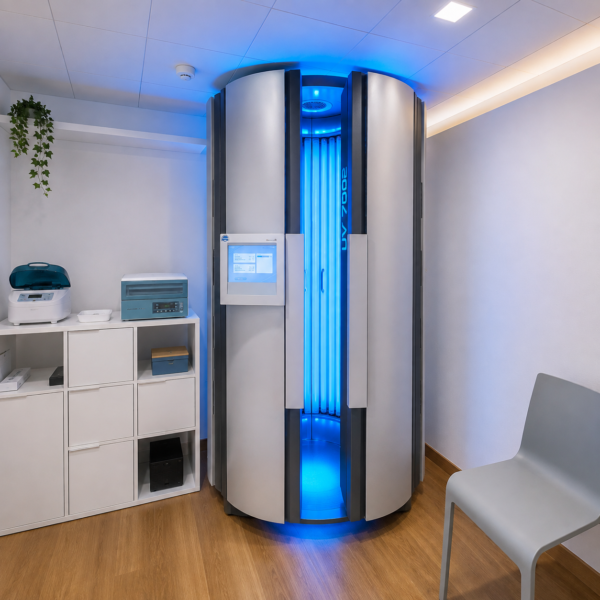
- Phototherapy

TREATMENT OF EXCESSIVE SWEATING BY BOTOX INJECTIONS®
Hyperhidrosis (excessive sweating) affects about 1 to 3% of the population. In the vast majority of cases, it is not related to any disease and is mainly concentrated in the armpits, palms of the hands, and sometimes the soles of the feet.
This excessive sweating can have a strong impact on:
• Self-confidence
• social relations
• Emotional well-being
• Clothing choices
• productivity at work or school
How does botulinum toxin (Botox®) work?
Botulinum toxin temporarily and very localized blocks the nerve signals that stimulate the sweat glands. It is now one of the most effective and well-tolerated treatments for hyperhidrosis of the armpits and hands (and sometimes other areas). This treatment is also suitable for people who simply want more comfort during the summer or in stressful situations, even without severe hyperhidrosis.
What are the main advantages?
• Very significant reduction in sweating: 80-95% on average
• Visible effect after 3 to 7 days
• Maximum efficacy achieved in 2 weeks
• Average duration of action: 4–9 months (most often 6–8 months depending on the person and area)
• Rapid and very clear improvement in quality of life, increased confidence
• Sweating returns gradually (no sudden rebound)
• Ability to repeat treatment as often as necessary
How does the session work?
1. The area is cleaned and sometimes spotted.
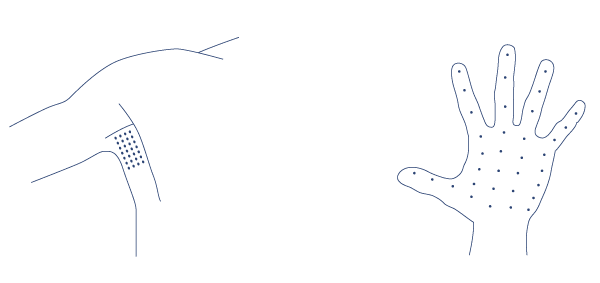
2. The doctor performs multiple very superficial micro-injections into the dermis with an ultra-fine needle, spaced about 1.5 to 2 cm apart.
3. Duration of the session: 20 to 30 minutes depending on the surface treated.
4. The pain is usually very mild (comparable to mosquito bites).
After the session: immediate resumption of normal activities. Avoid intense sport, sauna and strong alcohol for 24 hours.
Possible side effects and disadvantages
Side effects are usually rare, mild and temporary:
• Minor redness or swelling at the injection sites (disappears within a few hours to 2–3 days)
• Small bruises (bruises)
• Slight tenderness or feeling of local tension
• For the hands: sometimes a slight weakness of grip for a few weeks
Absolute contraindications
This treatment is not recommended in the following situations:
• Myasthenia gravis or other neuromuscular diseases
• Pregnancy or breastfeeding
• Known hypersensitivity to botulinum toxin or any of the components (albumin)
• Simultaneous use of certain antibiotics (gentamicin-type aminoglycosides)
Cosmetic
The skin is our body’s sensory and protective envelope, an interface with the outside world. A reflection of our internal biology and our lifestyles, its health and appearance inevitably affect our social, emotional and professional relationships.
We offer the following cosmetic treatments for the skin’s appearance:
- Treatment of wrinkles with botulinum toxin (Botox®)
- Treatment of wrinkles and loss of volume with fillers : hyaluronic acid
- Correction of pigmented spots
-
Correction of texture and tone with chemical peels
- Skin boosting and laxity improvement with Profhilo®
- Platelet-rich plasma treatment (PRP) for hair loss biotherapy
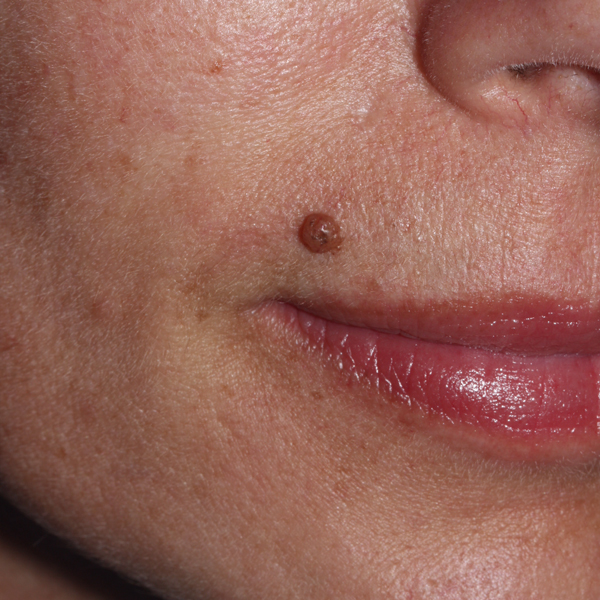
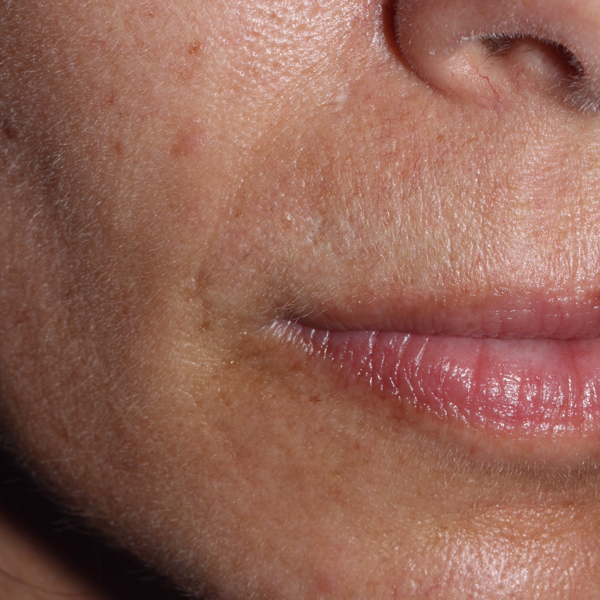
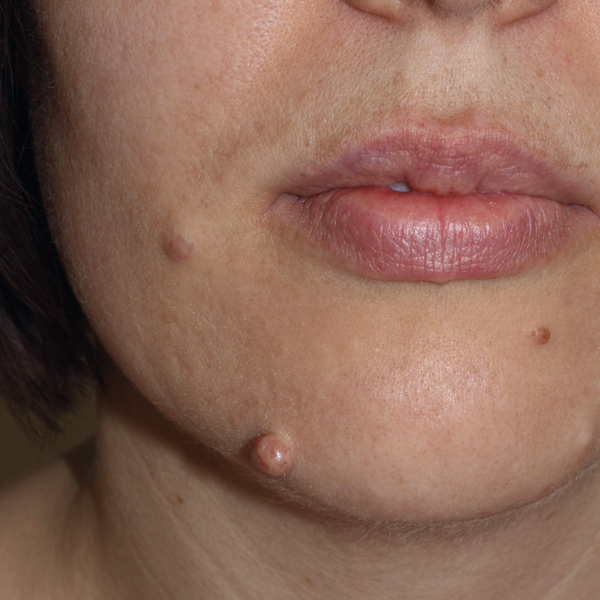
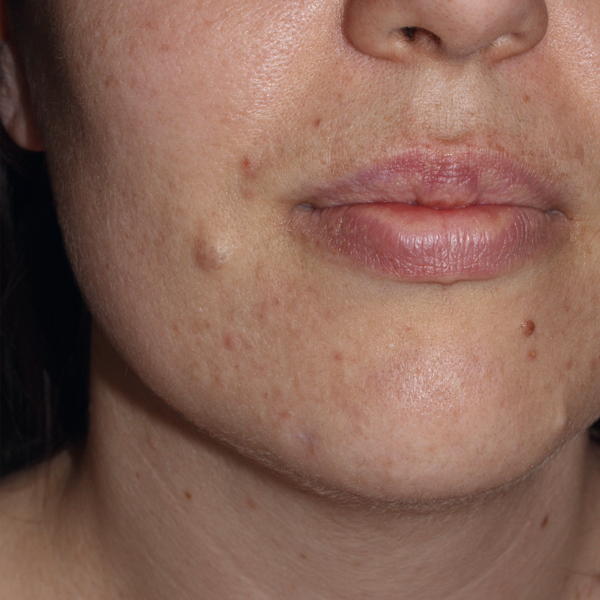
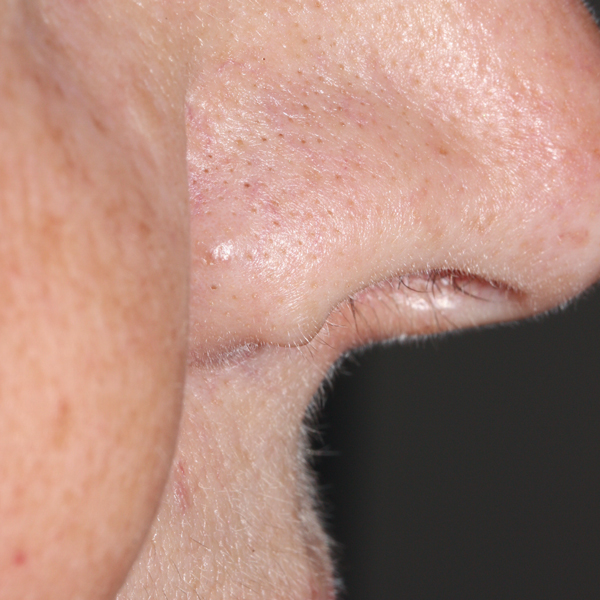
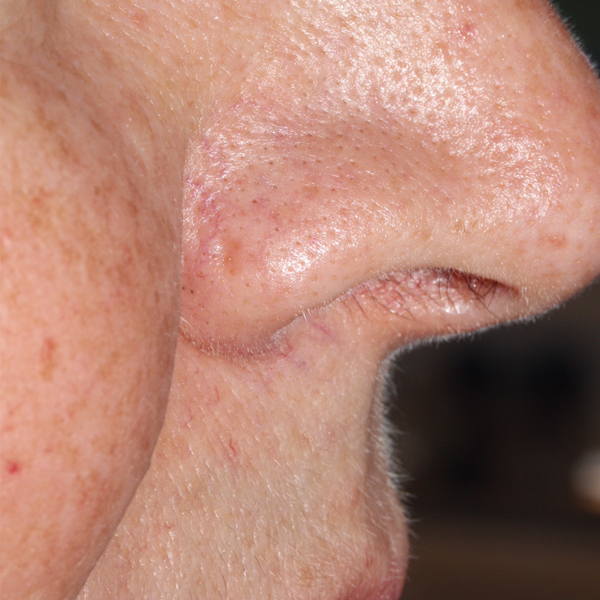
- Cosmetic removal of moles and other benign lesions related to skin ageing
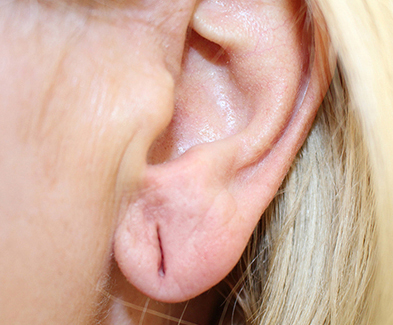
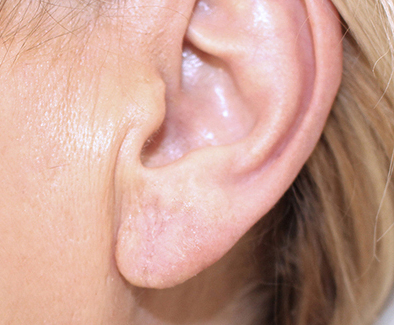
- Cosmetic earlobe repair after piercing


TREATMENT OF EXPRESSION WRINKLES BY BOTOX® INJECTIONS
Wrinkles in the upper third of the face — frown lines (between the eyebrows), forehead wrinkles and crow’s feet (around the eyes) — appear gradually because of the repeated contractions of the facial muscles associated with a natural loss of elasticity of the skin. They can make you look tired, severe or worried, sometimes as early as before the age of 30.
How does botulinum toxin work?
Botulinum toxin type A (Botox® and its equivalents) is a purified protein that has been used in medicine for over 40 years. Injected in very small quantities into a specific muscle, it temporarily and reversibly blocks muscle contraction. The muscle relaxes gently, without being paralyzed, which helps to reduce expression lines without freezing the face.
What are the main benefits?
• Natural and gradual smoothing of frown lines, forehead and crow’s feet
• More rested, relaxed, rejuvenated face, with a less severe expression
• Preventive effect: regular injections slow down the aggravation of wrinkles and their transformation into static wrinkles (visible at rest)
• Possibility of slightly raising drooping eyebrows (“open eyes” effect or “light “brow lift”)
The results always remain natural when the treatment is well dosed and adapted to your facial expression.
Conduct of the session
During the first consultation, the doctor analyzes your face at rest and in motion (expressions), discusses your expectations and develops a personalized plan.
The session itself is quick (15–30 minutes):
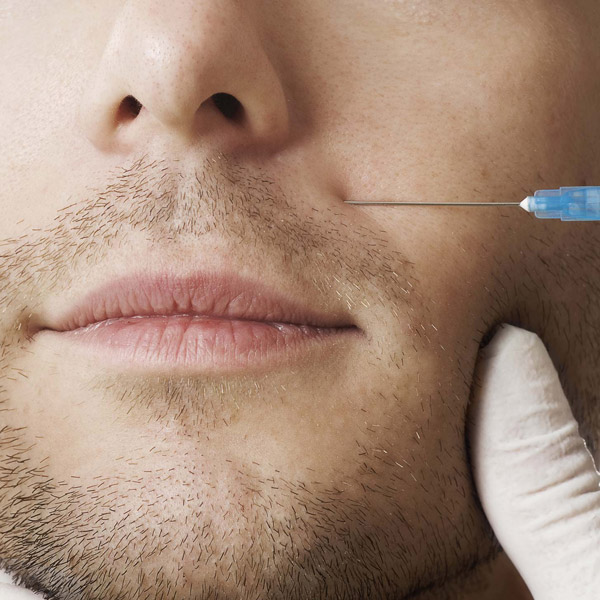
• Some very superficial micro-injections with an ultra-fine needle
• Almost painless technique (sensation comparable to a mosquito bite)
• No anesthesia needed
For an optimal and natural result, we often start with moderate doses. A free touch-up is sometimes offered 10–20 days later if needed.
When do we see the results and how long do they last?
• First visible effects: 3 to 5 days
• Best result: 10 to 15 days
• Average duration of effectiveness: 4 to 6 months
The effect gradually fades.
Possible side effects
The treatment is very well tolerated. Side effects are usually mild and transient:
• Very common (but minor): small redness or slight swelling at the injection sites (disappears within a few hours)
• Common: small bruises (bruises), mild headache for 1–2 days
• Infrequent and temporary: feeling of heaviness on the forehead, slight asymmetry, slightly heavy eyelid.
• Very rare: dry eyes, allergic reaction
Serious complications are exceptional when the product is injected by a qualified doctor.
Absolute contraindications
• Neuromuscular diseases (myasthenia gravis, Lambert-Eaton syndrome, etc.)
• Pregnancy or breastfeeding
• Known hypersensitivity to botulinum toxin or any of the components
• Treatment with certain antibiotics from the aminoglycoside family (gentamicin, etc.) or other specific muscle relaxants
Post-session recommendations
To optimize the result and minimize the risk of unwanted dissemination:
• Sit or stand for 3–4 hours (avoid lying down)
• Do not massage or rub the treated area for 24 hours
• Avoid intense physical exertion, sauna, hammam, strong sun exposure for 48 hours
• No excessive alcohol on the day
You can resume your normal activities immediately after the session.
FILLING OF WRINKLES AND HOLLOW BY HYALURONIC ACID
Over time, the subcutaneous fatty tissue of the face decreases, bones are slightly resorbed and the natural production of hyaluronic acid drops. These changes lead to a loss of volume, the appearance of fine lines, marked wrinkles and folds. The face can then seem tired or sad, often creating a gap with our inner energy. Hyaluronic acid (HA) injections harmoniously restore lost volume, smooth wrinkles and redefine facial contours in a natural way, without surgery.
What is hyaluronic acid?
Hyaluronic acid is a molecule naturally present in our skin, where it retains up to 1000 times its weight in water, ensuring hydration, suppleness and volume. Today, it is synthesized in the laboratory in the form of a transparent, flexible and viscoelastic gel. Totally biocompatible and biodegradable, it is gradually absorbed by the body. Most products incorporate lidocaine (local anesthetic) for more comfort during the injection.
What can be treated with hyaluronic acid?
HA is very versatile and can correct many signs of aging or improve facial harmony:
• Nasolabial folds (folds from nose to mouth)
• Bitterness folds (corners of the falling lips)
• Redefine and plump the lips (contour, volume, natural gloss effect)
• Perioral wrinkles (barcoding around the mouth), chin wrinkles, crow’s feet
• Volume restoration: cheekbones, sunken cheeks, oval face, chin
• Reduction of depressed scars
How does a session work?
The preliminary consultation allows us to assess your expectations, your anatomy and to choose the appropriate product(s) (weakly, moderately or strongly cross-linked). A numbing cream is applied 30 minutes before to minimize discomfort. The injection is done with a fine needle or a micro-cannula. The session usually lasts 30 to 45 minutes depending on the areas treated. An ice pack is applied afterwards to limit redness and swelling.
Aftermath and recovery
The results are visible immediately, with an optimal effect after 7 to 14 days (the time it takes for the product to integrate and the edema disappears). Frequent and temporary side effects (a few days to 2 weeks):
• Redness
• Mild edema (swelling)
• Small bruises, easily camouflaged by make-up
Touch-up sessions can be offered after 15 days if necessary to refine the result. Avoid intense sport, sauna, strong sun exposure, alcohol and anti-inflammatory drugs (aspirin, ibuprofen) for 24-48 hours to limit bruising.
Duration of effects
Longevity varies according to:
• Product type (weakly cross-linked → shorter; strongly cross-linked → longer)
• The treated area (mobile areas = shorter duration)
• Individual metabolism, age, lifestyle
Average durations observed recently:
• Lips: 6 to 9-12 months
• Nasolabial folds, bitterness folds, mouth contour: 9 to 12-15 months
• Cheekbones, cheeks, oval of the face, chin: 12 to 18 months
Some advanced products (enhanced cross-linking) now allow durations of 18 to 24 months in structural areas.
Risks and complications
Hyaluronic acid is considered one of the safest products in aesthetic medicine. Serious complications remain rare (< 1% with a qualified practitioner). Minor → very common but transient adverse reactions (see below). Rarer complications:
• Asymmetry or irregularities (corrected by retouching or hyaluronidase)
• Nodules/delayed inflammation
• Vascular complications (very rare: necrosis, embolism). Only qualified doctors (dermatologists, plastic surgeons, etc.) are allowed to perform these injections in Switzerland. HA is 100% reversible with hyaluronidase injection when needed.
CHEMICAL PEELS
The signs of skin aging — texture irregularities, small imperfections, pigment spots, dull complexion — appear over time under the effect of the sun, natural aging and external aggressions. They can give a bland and tired look.
How does the TCA Cosmo Peel® work?
The Cosmo Peel® is a controlled and buffered trichloroacetic acid (TCA) chemical peel. Applied to the skin, it causes a controlled exfoliation of the damaged surface layers. This stimulates cell turnover and collagen production, revealing smoother, more even, and radiant skin.
What are the main benefits?
• Improved skin texture
• Evens out skin tone and reduces superficial acne scars
• Firmer, brighter and rejuvenated skin
• Reduction of pigment spots
The results are natural and gradual, especially after a series of sessions adapted to your skin type.
Conduct of the session
During the first consultation, the doctor analyzes your skin and defines a personalized protocol. The session is quick (15–30 minutes):
• Skin cleansing
• Applied the Cosmo Peel in controlled layers
• Tingling sensation or moderate heat (tolerable)
No anesthesia is required. Several sessions are often recommended for optimal results.
When do we see the results and how long do they last?
• First visible effects: as soon as the desquamation is complete (4 to 10 days)
• Optimal result: after 1 to 4 sessions, spaced 2 to 4 weeks apart
• Duration: several months, extended by good sun protection and appropriate care
The effect gradually improves with skin renewal.
Possible side effects
The treatment is well tolerated. Reactions are predictable and temporary:
• Very common: redness, warmth, and peeling for 4 to 14 days
• Common: mild swelling, tightness, or small scabs
• Uncommon: transient hyperpigmentation or increased sensitivity
Contraindications
• Pregnancy or breastfeeding
• Active skin infection (herpes, eczema, etc.)
• Recent treatment with isotretinoin (Roaccutan®)
• Known hypersensitivity to the components of the peel
Post-session recommendations
To optimize healing and the result:
• Apply prescribed repair and moisturizing creams
• Do not expose yourself to the sun for 4 weeks after the last treatment
• Use very high sun protection (SPF 50+) daily
• Avoid irritating treatments for 2 weeks
• Do not tear off peeling skins
You can resume most of your activities quickly, but the skin remains a sensitive during the flaking phase.
SKIN BOOSTING AND LAXITY IMPROVEMENT WITH PROFHILO®
As we age, the natural production of hyaluronic acid decreases, collagen and elastin synthesis slows down, and the skin loses tone, elasticity and hydration. This results in a duller appearance, more visible fine lines, loss of firmness and sometimes sagging slightly. The face may look tired, even if you feel great. Profhilo® injections deeply revitalize the skin, improve its overall quality and restore a natural glow, without adding volume or altering facial features, and without surgery.
What is Profhilo®?
Profhilo® is an innovative injectable based on ultrapure, non-volumizing, highly concentrated hyaluronic acid. Unlike conventional fillers, it is not used to fill wrinkles or restore localized volume. It acts as a bio-remodeler: it gradually diffuses into the tissues, stimulates the production of 4 types of collagen and elastin, intensely moisturizes and improves the overall structure of the skin. The product is biocompatible, biodegradable and totally absorbable by the body.
What can be treated with Profhilo®?
Profhilo® is particularly indicated to improve the quality of the skin and fight against the early or moderate signs of aging:
• Dehydrated, dull or unradiant skin
• Fine lines and loss of firmness
• Slight sagging of the oval of the face
• Improved texture and elasticity
• Frequently treated areas: full face, neck, décolleté, hands
• Natural “glow” effect and healthy glow It is ideal for prevention from the age of 30-35 or as a complement to other treatments for more mature skin.
How does a session work?
The product is injected using the BAP (Bio Aesthetic Points) technique: 5 injection points on each side of the face (10 in total), with a fine needle. The product then diffuses widely. The session usually lasts 20 to 30 minutes.
Aftermath and recovery
The results appear gradually: visible improvement in hydration and radiance from 1-2 weeks after the first session, optimal effect 4 to 8 weeks after the second session (the time it takes for biostimulation to take hold). Common, temporary side effects (a few hours to a few days, rarely up to 1-2 weeks):
• Small redness or marks at the injection sites
• Small, localized swellings (“papules” or “mosquito bites”) that disappear quickly
• Mild edema or tenderness
• Small bruises that can be camouflaged by make-up The resumption of activities is immediate or almost immediate. Avoid for 24-48 hours: intense sport, sauna/hammam, strong sun exposure, alcohol and anti-inflammatory drugs (aspirin, ibuprofen) to minimize bruising.
Duration of effects Longevity varies according to:
• Skin type and individual metabolism
• Age, lifestyle (tobacco, sun, hydration, etc.)
• The protocol followed
Average durations observed recently:
• 6 to 12 months on average after the initial protocol
• Some patients still observe benefits for up to 12-18 months in areas with low mobility. To maintain results, a maintenance session is usually recommended every 6 to 12 months (often 1 single session).
Risks and complications
Profhilo® is one of the safest injectable treatments in aesthetic medicine, with an excellent tolerability profile. Serious complications are extremely rare (< 0.1% with a qualified practitioner). Minor → very common but transient adverse reactions (see below). Rarer complications: Temporary irregularities, delayed inflammation or nodules (very rare), allergic reactions (exceptional), vascular complications (extremely rare).
CORRECTION OF PIGMENTED SPOTS
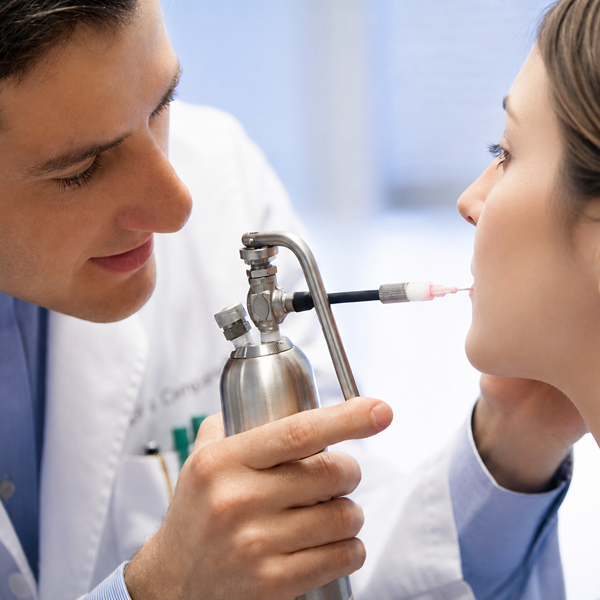
Pigmented stains due to skin ageing and Sun alterations can be easily treated with liquid nitrogen cryotherapy. The areas that can classically benefit from this treatment are the face, the back of the hands, the neck and the cleavage but other locations are possible.
In practice, the dermatologist focuses on each stain the nitrogen which has the effect of freezing them superficially and destroying the pigment without leaving a scar. After a phase of redness and very superficial Crouts, the stains disappear or fade in 15 days.
COSMETIC REMOVAL OF MOLES
PLATELET-RICH PLASMA (PRP)
Natural bio-treatment for:
• Hair loss (androgenetic alopecia)
• Effluvium (diffuse, stress-related, postpartum, deficiency, etc.)
• Thin, weakened or thinning hair
• Alopecia areata (in some cases)
What is PRP?
PRP is obtained from your own blood. After a simple blood test, the blood is centrifuged to isolate the platelet-rich plasma (removing red and white blood cells). This concentrate contains many growth factors (EGF, TGFβ, FGF, etc.) that stimulate hair follicles, promote hair maintenance, slow down hair loss and can induce regrowth (transformation of fine fuzz into more mature and thicker hair).
Main indications for hair loss
• Androgenetic alopecia (hormonal baldness in men and women) in a mild to moderate stage
• Diffuse Hair Loss / Telogen Effluvium
• Weakened hair with loss of density or thickness. PRP is particularly effective when the follicles are still present and active (not in the case of completely bald areas or advanced scarring alopecia).
How does the treatment work?
• A blood test is taken on site by the medical assistance.
• Immediate centrifugation to prepare the PRP.
• Injections performed by the dermatologist in the scalp with ultra-fine needles (mesotherapy technique).
Recommended Protocol
• Attack phase: 3 sessions spaced about 1 month apart.
• Maintenance phase: 1 session every 6–12 months depending on the evolution and your needs. The protocol can be adapted according to your age, the severity of the fall and the response to treatment.
When do we see the results? The effects are gradual:
• Slowing of hair loss often visible as early as 2–3 months.
• Improvement in density, thickness and sometimes noticeable regrowth between 3 and 6–9 months after the start of treatment.
• Maximum result usually observed after several months (the hair cycle is slow). Results vary by age, stage of alopecia, smoking (which decreases effectiveness), and individual factors.
Contraindications and precautions
• No absolute contraindications: PRP is 100% autologous (your own blood), so no risk of allergy or intolerance.
• To be evaluated with caution in case of: anticoagulant treatment, aspirin intake (increased risk of hematomas).
• Contraindicated or to be avoided in case of: active scalp infection/inflammation, serious blood diseases, pregnancy/breastfeeding (according to medical advice).
Aftermath and side effects
• Minor redness, papules or sensitivity of the scalp for 1–3 days (easily camouflaged).
• Small bruises possible if a vessel is affected.
• Resume your activities normally, but avoid aggressive shampoos, saunas or intense sports 24 to 48 hours.
Tips for Maximizing Results
• Quitting or reducing smoking (greatly reduces the effect of growth factors).
• PRP can be combined with other treatments to amplify the effects.
• A healthy lifestyle improves the benefits.
COSMETIC EARLOBE REPAIR AFTER PIERCING
Sometimes earlobe piercings can become too large or elongate over time, making the earlobe look unsightly and making it difficult to wear earrings. Sometimes the earlobe can split in two.
It is possible, thanks to an operation under local anaesthetia, to reconstruct the damaged lobe. The appearance of the lobe is improved and a new piercing can be done on the scar at the earliest 6 months later.
Dermatosurgery
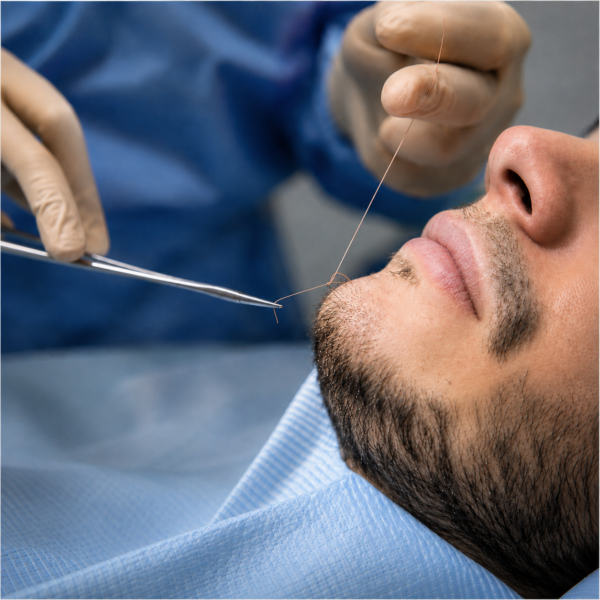
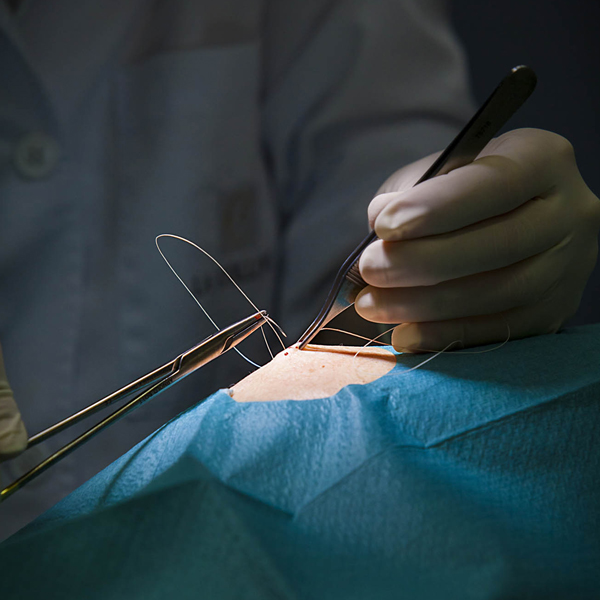
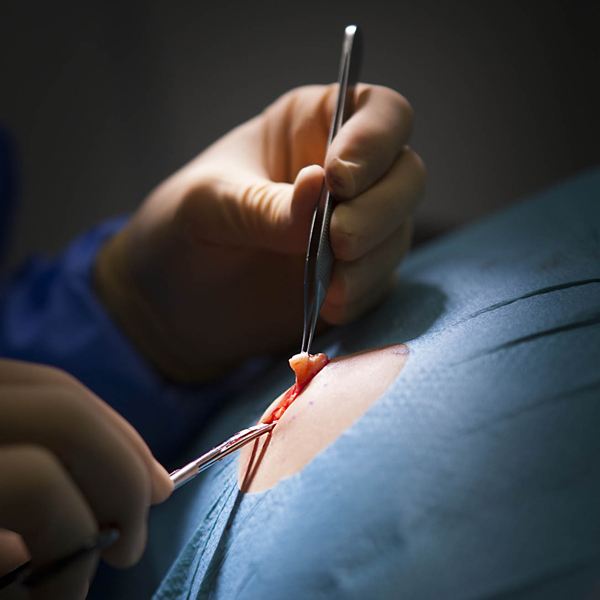
Dermatosurgery is the use of surgery to investigate and treat various skin conditions. The aim of any skin surgery is to obtain the best therapeutic, functional and aesthetic outcome.
We primarily perform:
- Biopsies for diagnostic purposes
- Excision of skin cancer
- Excision of benign skin lesions for comfort or cosmetic reasons
- Skin reconstruction by flap surgery
- The total skin grafts
- Reconstructions by others complex techniques
- Nail surgery (ingrown nails, nail tumours, nail biopsies)
Our operating and sterilisation rooms are accredited by the Swiss authorities for outpatient procedures and are equipped with modern infrastructure.
We are also accredited to perform surgery at Hirslanden Clinique La Colline
Our team
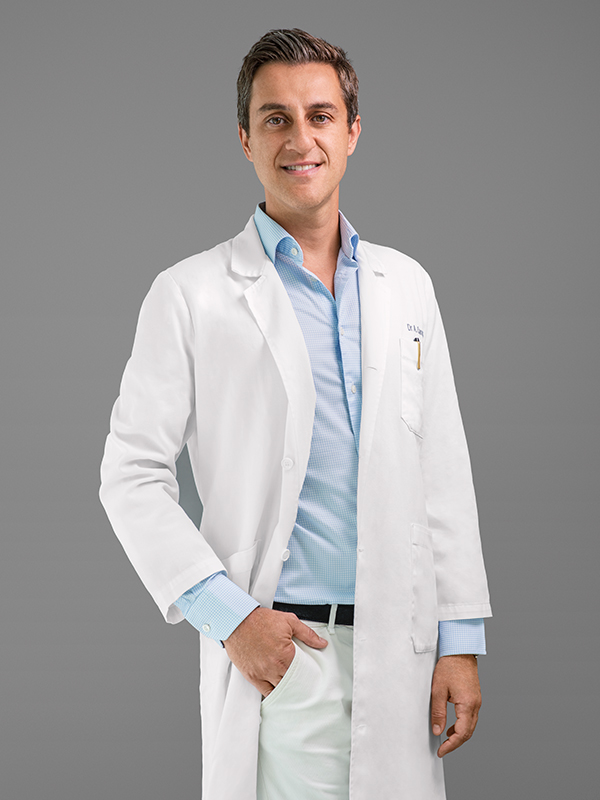
Dr Alexandre CAMPANELLI — specialist FMH Dermatology
Experience
Dr Alexandre CAMPANELLI studied and completed his Medical Degree and doctoral thesis from the University of Geneva. He trained in dermatology at the Geneva University Hospitals (Swiss board Certified) where he worked as Chief resident and then as a Consultant. He has developed an in-depth training in dermatological and interventional surgery with teaching activities in these fields. He also taught at the pre- and post-graduated level (medical students and residents). Since 2009, he has been in private practice and is licensed by Clinique La Colline and Clinique Générale Beaulieu. He is co-founder of the Dermatologie La Colline center and chairman of the Geneva Dermatologists Association. He is a board member of the Working Group for Dermatology of the Swiss Society of Dermatology and board member of the Stopskincancer.ch association. He is the author of several scientific publications, regularly gives lectures and teaches at the Geneva School of Health Sciences.
Diplomas
Swiss board Certified in Dematology and Venereology
Doctoral Thesis, Geneva University, Switzerland
Swiss Medical degree
Complementary diploma for lasertherapy, Switzerland
Affiliations
Swiss Medical Association (FMH)
Swiss Society of Dermatology and Venereology (SSDV)
European Academy of Dermatology and Venereology (EADV)
Geneva Dermatologists Association (GDG, Chairman)
Swiss Dermatosurgery Working Group (board member)
Association of Geneva Doctors (AMGe)
Swiss Association of Physicians with surgical and Invasive Activities (FMCH)
Medical Society of French-speaking Switzerland (SMSR)
Geneva Society of Liberal Medicine (SMLG)
PUBLICATIONS
Peer review medical journals
- Campanelli A, C. Hsu. Image en dermato. Rev Med Suisse. 2024; 899:2418-2419.
- Campanelli A. Comment s’y retrouver devant un exanthème fébrile ? Rev Med Suisse. 2022; 18:831-2.
- Campanelli A, Lübbe J. Palmar Squamous-Cell Carcinoma. N Engl J Med. 2019;381:1058
- Nikolic DS, Balagué N, Campanelli A, Elias B, Calmy a, touall-Trellu L. facial fillers: medical devices or medications? Implication for HIV patients with lipoatrophy. Swiss Medical Review. 2012;8:747-53.
- Barde C, Laffitte E, Campanelli A, Saurat JH. Intralesional infliximab in noninfectious cutaneous granulomas: three cases of necrobiosis lipoidica. Dermatology. 2011;212-216.
- Campanelli A, Salomon D. localized Hyperhidrosis: clinic and treatments. Swiss Medical Review. 2009;5:870-875.
- Marazza G, Campanelli A, Kaya G, Braun RP, Saurat JH, Piguet V. Tunga pentrans: description of a new dermoscopic sign – the radial crown. Archives Dermatol 2009;145:348-34.
- Campanelli A, Borradori L. Subungual exostosis. N Engl J Med. 2008;359:e31.
- Campanelli A, Sanchez-Politta S, Saurat JH. Skin ulceration after Octopus bite: infection with Vibrio alginolyticus, an emergent pathogen. Ann Dermatol Venereol. 2008 ;135 :225-227.
- Campanelli A, Piguet V. Novelties in medicine. Dermatology. Swiss Medical Review. 2008;4:112-115.
- Campanelli A. In vivo diagnosis of a pruriginous dermatosis. Swiss Medical Forum. 2008;8:528.
- Sanchez-Politta S, Campanelli A, Pasche-Koo F, Saurat JH, Piletta P. Allergic contact dermatitis to phenylacetaldehyde: a forgotten allergen ? Contact Dermatitis. 2007;56:171-172.
- Campanelli A, Lübbe J. Erosive cheilitis after facial application of imiquimod 5% cream. J Eur Acad Dermatol Venereol. 2007;21:1429-1430.
- Campanelli A, Kerl K, Lubbe J. Severe palmar-plantar erythrodysesthesia and intertrigolike eruption induced by polyethylene glycol-coated liposomal doxorubicin. J Eur Acad Dermatol Venereol. 2006;20:1022-1024.
- Campanelli A, Kaya G, Masouyé I, Borradori L. Calcifying panniculitis following subcutaneous injections of nadroparin-calicum in a patient with osteomalacia. Br J Dermatol 2005;153:657-660.
- Hsu C, Abraham S, Campanelli A, Saurat JH, Piguet V. Sign of Leser-Trélat in a heart-transplant recipient. Br J Dermatol 2005; 153:861-862.
- Campanelli A, Prins C, Saurat JH. Chronic urticaria revealing a colonic adenocarcinoma. J Am Acad Dermatol, 2005;52:1105.
- Campanelli A, Krischer J, Saurat JH. Topical application of imiquimod and associated fever in children. J Am Acad Dermatol 2005;52:E1
- Campanelli A, Salomon D, Saurat JH. Treatment of Actinic Keratoses by Imiquimod topical (Aldara®). Skin erosion seems to be beneficial. Ann Dermatol Venereol 2004;131:387-390.
- Campanelli A, Marazza G, Stucki L, Abraham S, Prins C, Kaya G, Piguet V, Saurat JH. Fulminant herpetic sycosis: atypical presentation of primary herpetic infection. Dermatology 2004;208:284-286.
- Campanelli A, Kaya G, Ozsahin AH, La Scala G, Jacquier C, Stauffer M, Boehlen F, de Moerloose P, Saurat JH. Purpura fulminans in a child as a complication of chickenpox infection. Dermatology 2004;208:262-264.
- Campanelli A, Naldi L. A retrospective study of the effect of long-term topical application of retinaldehyde 0.05% on the development of actinic keratosis. Dermatology 2002;205:146-152.
Medical journals non peer review
- Campanelli A, Elias B, Meyer O, Calmy A, salomon D, Toutous-Trellu L. Hyaluronic acid injections to fill facial lipoatrophy in the context of a lipodystrophy syndrome associated with HV. Dermatologica Helvetica. 2010;5:18.
- Campanelli A, Harms Mr. Paronychia herpetic. Dermatologica Helvetica. 2008;9:25-26.
- Campanelli A, Marazza, Harms M. La tungose. Dermatologica Helvetica. 2008;8:29-30.
- Campanelli A, marazza G, tschanz C, Salomon D. interest in surgical excision in the management of suppurate hidrosadenitis. Dermatologica Helvetica. 2008;7:19-24.
- Campanelli A, Masouyé I, Harms M. La tumeur d’Abrikossoff. Dermatologica Helvetica. 2007;10 :21-22.
- Campanelli a, harms M, Bruyère a, Borradori L. The thighs semi-circular lipoatrophy. Dermatologica Helvetica. 2007;6 :25-26.
- Campanelli A, Solomon D, harms M. segmental chemical destruction of the nail by phenolisation in the care of the ingrown nail. Dermatologica Helvetica. 2007;6:17-20.
- Campanelli A, Harms M. The granulomatous vasuclite of Churg-Strauss. Dermatologica Helvetica. 2007;4 :23-24.
- Campanelli A, Prins C, Saurat JH. Chronic urticaries revealing neoplasia. Dermatologica Helvetica. 2006;3:19-20.
Scientific posters
- Campanelli A, Elias B, Meyer O, Piguet V, Calmy a, Salomon D, toutou-Trellu L. Support for facial lipoatrophy in the context of an HIV-associated lipodystrophy syndrome using hyaluronic acid injections. Annual meeting of the Swiss society of Dermatology and Venereology. Basel, 3-5 September 2009.
- Campannelli A, Borradori L. Subungual exostosis: a missdiagnosed tumor to consider in the presence of painful nail changes. Congress of the European Academy of Dermatology and Venereology. Paris, 17-21 September 2008.
- Campannelli A, Borradori L. Subungual exosostosis: a tumor to evoke in front of any painful alteration of a fingernail. Annual meeting of the Swiss society of Dermatology and Venereology. Lausanne, 4-6 September 2008.
- Campanelli A, Viero D. The herpes Paronychia: a forgotten diagnosis. Annual meeting of the Swiss society of Dermatology and Venereology. Lausanne, 4-6 September 2008.
- Marazza G, Campanelli A, Kaya g, Saurat JH, Piguet V. Tungose: a new dermoscopic criterion to facilitate its diagnosis. Dermatological days of Paris. Paris, 4-8 December 2007.
- Campanelli A, Sanchez-Politta S. Octopus fishing: a dangerous activity… Dermatological days of Paris. Paris, 5-9 December 2006.
- Campanelli A, Lübbe J. Erosive Cheilitis after application of imiquimod cream 5% on the face. Annual meeting of the Swiss society of Dermatology and Venereology. Geneva, 21-23 September 2006.
- Campanelli A, Kaya G, Masouyé I, Borradori L. Calcifying panniculitis following subcutaneous injections of nadroparin-calicum in a patient with osteomalacia. Congress of the European Academy of Dermatology and Venereology. London, 12-15 October 2005.
- Campanelli A, Kaya G, Masouyé I, Borradori L. Calcifying panniculite after subcutaneous injections of calcium nadroparin in a patient with osteomalacia. Annual meeting of the Swiss society of Dermatology and Venereology. Zürich, 8-10 September 2005.
- Campanelli A, Prins C, Saurat JH. Chronic urticaries revealing colic neoplasia. Annual meeting of the Swiss society of Dermatology and Venereology. Zürich, 8-10 September 2005.
- Hsu C, Abraham S, Campanelli A, Saurat JH, Piguet V. Sign of Leser-Trélat in a heart-transplant recipient. Annual meeting of the Swiss society of Dermatology and Venereology. Zürich, 8-10 September 2005.
- Prins C, Stucki L, Campanelli A, Pham C, Kaya G, Saurat JH. Observational study of the treatment of iloprost for 6 patients with Necrotizing angiodermatitis. Annual meeting of the Swiss society of Dermatology and Venereology. Basel, 28-30 October 2004.
CONFERENCES
- Melanoma. Autumn Day of the Geneva Association of Medical Assistants. Geneva, 23 september 2023.
- Botulinum toxin. First steps. Swiss Dermatosurgery Course (SDC). Genève, 25 march 2023.
- Infectious dermatology. Postgraduate and continuing education symposium. Department of Otorhinolaryngology and Head and Neck Surgery. Geneva Univerity Hospital. Geneva, December 15, 2022.
- How to deal with a febrile exanthem ? Forum for medical training. General internal medicine. Update Refresher. Lausanne, 7 December 2022.
- Infectious dermatology. Geneva Association of General internist family physicians. Geneva. November 17,2022.
- How to deal with a febrile exanthem ? Quadrimed medical congress of Crans-Montana. Crans-Montana, 28 april 2022
- Chemical peels and platelets rich plasma (PRP). Autumn Day of the Geneva Association of Medical Assistants. Geneva, 18 september 2021.
- Psoriasis: What’s new ? Medical training of the Geneva Association of Network Physicians. REMED. Geneva, 7 May 2021.
- Dermatology – Visual diagnosis. Forum for medical training. General internal medicine. Update Refresher. Lausanne, 7 November 2019.
- What’s new in chronic venous insufficiency / ulcers. Medical symposium on the updating of vascular diseases and lower limb ulcers. Geneva, 9 October 2019.
- Skin cancer prevention in family physicians’ office. Forum for medical training. General internal medicine. Update refresher. Lausanne, 20 June 2019.
- Psoriasis: what you need to know. From the clinic to modern biological treatments through basic cares. Education. Geneva, 25 March 2019.
- Dermatology – Visual diagnosis. Forum for medical training. General internal medicine. Update Refresher. Geneva, 7 March 2019.
- When the skin blooms: how to orient yourself in front of an exantheme. Geneva Association of General internist family physicians. Geneva. March 22, 2018.
- Dermatology – Visual diagnosis. Forum for medical training. General internal medicine. Update Refresher. Geneva, 1st February 2018.
- What the osteopath needs to know in dermatology. Continuing education course for the cantonal society of osteopathy of Geneva (SCO). Plan-les-Ouates, April 6, 2017.
- Advancement flaps and Rotation flaps. Swiss Dermatosurgery Course (SDC). Bellinzona, September 25, 2015.
- Training courses for family physicians and internists. Practical clinical cases in dermatology. Geneva, 15 September 2015.
- Wedge resections for tumors of the lid and lip. Annual meeting of the Swiss society of Dermatology & Venerology. Zürich, 27 August 2015.
- STD. From diagnosis to treatment… and “after”! Continuing education, Geneva Association of physicians working in a network. Geneva, 9 October 2014.
- Skin tumors. Continuing education, Geneva Association of physicians working in a network. Geneva, 7 April 2011.
- Surgical difficulties in the medical practice and billing of surgical procedures. Group of Geneva dermatologists. Geneva, 23 June 2011.
- Skin tumors. Continuing education Symposium of the Vermont medical and surgical Centre Grand Pré SA. Geneva, 15 November 2011.
- Risk profiles of spinocellular carcinomas. Dermatology Symposium, Geneva University Hospitals. Geneva, 18 December 2008.
- Risk profiles of spinocellular carcinomas. Annual meeting of the Swiss society of Dermatology & Venerology. Lausanne, 4 September 2008.
- Update of dynamic phototherapy treatments. Symposium “dynamic phototherapy: State of play and update”. Begnins, 19 June 2008.
- Practical approaches in dermatology. Primary Care Academy. Lausanne, 6 November 2008.
- Cases presentations. Annual meeting of the Swiss society of Dermatology & Venerology. Geneva, 23 September 2006.
- Cases presentations. Annual meeting of the Swiss society of Dermatology & Venerology. Lausanne, 19 September 2003.
- Cases presentations. Dermatological Encounters of the Alpine countries. Chamonix, 18 January 2002.
PRESS / REPORTS
Pourquoi cette tendance à conquis la Suisse. Watson, 19 avril 2026
Médecins privés: la file d’attente va s’allonger. GHI, 1er octobre 2025
La « resting bitch face », ou le droit de faire la gueule quand on est une femme. Le Temps T, 20 septembre 2025
Faut-il imputer à l’esthétique les délais d’attente chez les dermatologues? Tribune de Genève, 23 avril 2025
Les origines de la crème solaire. RTS 1, 15 juillet 2024
Mieux protéger sa peau face au cancer. Amavita Ma Peau, 22 février 2023
Baignades. Prendre soin de sa peau. L’illustré, 20 juillet 2022
Etre plus belle sur Zoom. – Dossier Confinement et télétravail-Femina
Comment soigner l’acné à l’âge adulte? – Femina.ch, 2nd June 2019
Cosmétiques et enfants : les précautions. – RTS, On en parle. June 4th, 2019
In Switzerland, the UV cabins are forbidden for the vaud and jurassian miners but the ban could be extended. – RTS News. 10 October 2018.
UV rays: how to protect yourself effectively? – UV rays – Hirslanden Newsletter 25.05.2018
A brighter complexion. Even in winter! — Peau-hiver – Wellness et Santé N58 hiver 2016
The efficacy of BOTOX® in excessive perspiration. — Botox hyperhidrose – Groupe médical Terrassière 2009
Ces champignons qui aiment l’été. — Mycoses – Pulsations juillet-août 2009
Le temps peut cicatriser toutes les blessures. — Cicatrices – TDG 4.09.2008
Fontaine de sueur. — Transpiration – Pulsations juillet-août 2008
Faites ami-ami avec le soleil. — Peau et soleil – Femina juin 2007
Guerre aux poils ! — Epilation – Femina 27.05.2007
Transpiration le mal de l’été. — Transpiration – Le Matin 30.07.2006
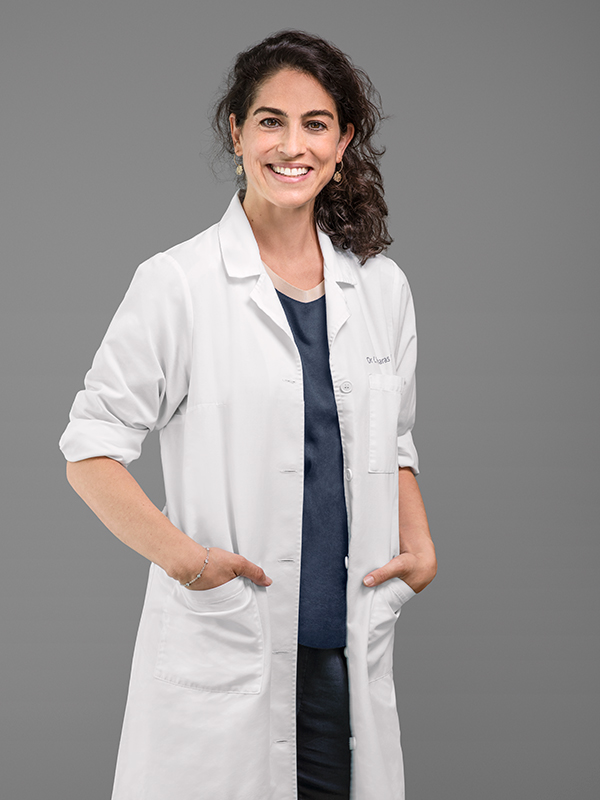
Dr Constance POURNARAS DINICHERT — specialist FMH Dermatology
Experience
Dr Constance Pournaras Dinichert studied medicine and completed her doctoral thesis at the University of Geneva. After gaining experience in geriatrics and plastic surgery at The Geneva University Hospitals, she specialised in dermatology at several European centres (Hôpital Saint Louis, Hôpital Henri Mondor and Hôpital Necker des enfants malades in Paris, Royal Free Hospital in London), then in Switzerland at HUG and Kantonsspital St Gallen where she worked as senior house officer. At universities, she has been particularly involved in the treatment of cutaneous carcinomas and screening of melanomas. Before co-founding the Dermatologie la Colline centre in 2012, she worked at renowned private practices in Zürich, St. Gallen and Geneva.
Diplomas
Certificate of Specialist Training in Dermatology, Université Paris XII
Qualification as a Doctor in Medicine, Geneva, Switzerland
FMH Specialist Diploma in Dermatology and Venereology, Switzerland
Diploma in Radiation Protection, Universitätspital Zürich (USZ), Switzerland
Federal Diploma in Medicine, Switzerland
Inter-university Diploma in Surgical Dermatology, Université de Versailles Saint-Quentin-en-Yvelines, Paris
Affiliations
Association of Doctors in the Canton of Geneva (AMG)
European Academy of Dermatology and Venereology (EADV)
Swiss Medical Association (FMH)
Group of Geneva Dermatologists (GDG)
French Society of Dermatology (SFD)
Swiss Society of Dermatology and Venereology (SSDV)
PUBLICATIONS
Peer review medical journals
- “Extensive annular verrucous late secondary syphilis” CC Pournaras, I Masouye, P Piletta, V Piguet, JH Saurat, LE French, British Journal of Dermatology, 2005; 152(6):1343-5
- “Multiple painful nodules” CC Pournaras, P Comacle, I Moulonguet, B Cavelier-Balloy, L Dubertret, N Basset-Seguin, Archives of Dermatology, 2005; 141(5):633-8
- “Nodules et polyarthralgies chez une femme de cinquante ans” CCPournaras, JJ Guilhou, N basset-Seguin, Objectif Peau 2004; 72(10): 93-94
- “Staphylococcal colonization in atopic dermatitis treatment with topical Tacrolimus (FK506)”, Pournaras CC, Lubbe J, Saurat JH, Journal of Investigative Dermatology 2001; 116 (3):480-481
- “Eczema Herpeticum during treatment of Atopic Dermatitis with 0.1%, Tacrolimus Ointment ”, Lubbe J, Pournaras CC, Saurat JH, Dermatology 2000; 201(3):249-251
PRESS
“ Rayons UV: comment se protéger efficacement?” Rayons UV-Newsletter, Hirslanden 25.05.2018
“Comment dompter le soleil, cet ami -ennemi de la peau?” , Magazine Edelweiss, juin 2010
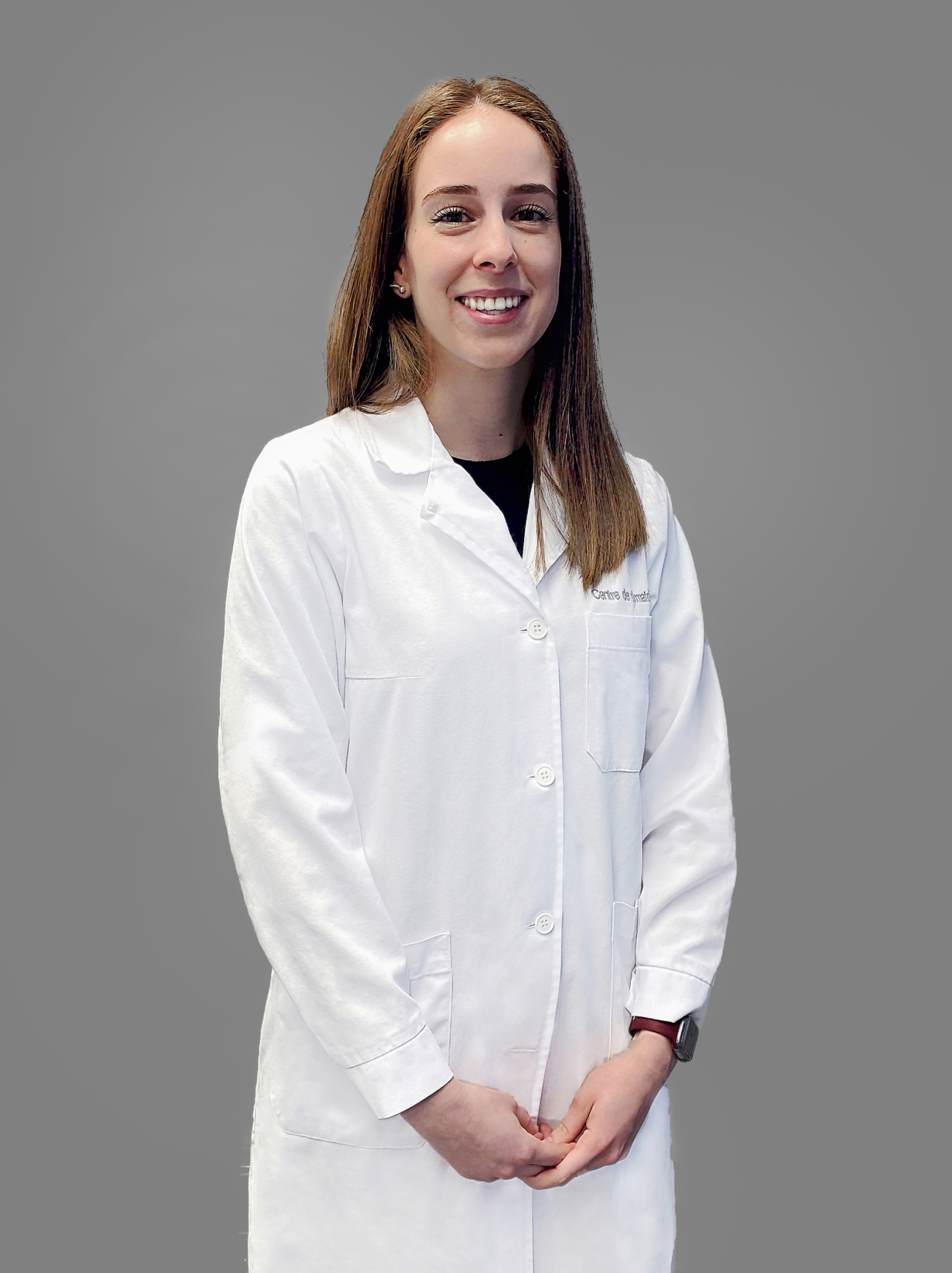
Estel GOMEZ — graduate physician assistant
Estel Gomez graduated from the School of General Education with a health option and then obtained her Federal Certificate of Competence as a Medical Assistant in Geneva.
During her training, she worked in several medical offices, a paediatric emergencies service and in general medicine. She has a diploma as a trainer in companies.
She has been working for Dr. Campanelli since September 2020
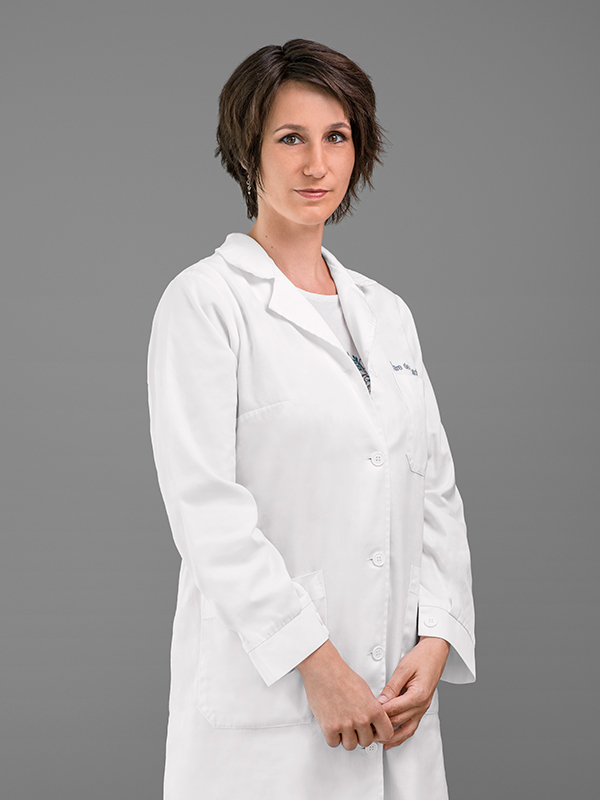
Ms Laurence FORNAGE — graduate physician assistant
Ms Laurence Fornage obtained her first CFC as a pharmacy assistant and then her CFC and medical assistant diploma in Geneva. As part of the committee of the Geneva Association of Medical Assistants in Geneva (AGAM), she organised continuous training for 5 years. She has also completed training in sterilisation. She worked at a general practice and then at a multidisciplinary medical centre.
Since 2017, she has assisted Dr Constance Pournaras Dinichert in dermatology, while at the same time continuing her work in the pharmaceutical sector.